
Home / Ingredients / Omega 3/6
Ingredients Library
It is important to ensure the feed includes a variety of materials to encourage appetite, maintain good gut flow, promote intestinal fermentation and bioavailability of all macro- and micro-nutrients.
TWYDIL® has studied the nutritional integration of:
load more
Omega 3/6
Omega 3 fatty acids and their roles:
Wide range of metabolic processes, including:
- Anti-stress
- Blood microcirculation and heart rate frequencies regulator
- Inflammation and allergic reaction modulator
- Fertility
Omega-3 fatty acids are mainly found in marine oils; main sources:
- Refined fish oil
- Krill oil
- Small amounts in linseed oil and rape seed oil
Omega-6 fatty acids and their roles:
- Blood platelet aggregation
- Cholesterol manufacture
- Prostaglandin production (biochemical regulators for many body functions)
- Deficiency can lead to reduced disease resistance, skin lesions and dermatitis. Mature animals may show reduced sexual development and reduced fertility
Omega-6 fatty acids are generally found in vegetable oils: main sources:
- Maize oil
- Rape seed oil
- Other seed oils
- Dried algae and yeast
- Blackcurrant oil
What quantities of omega-3 and omega-6 oils are needed?
- Omega-3 are important for athletic horses.
- Human recommendation is 0.5% of omega-3 in the entire energy intake from the food. Horses generally require a minimum of 0.1% omega-3 acids in the total diet.
- We estimate an adequate intake of omega-3 acids for non-sport horses is 8 to 15 g of omega-3 a day depending on their physiological state.
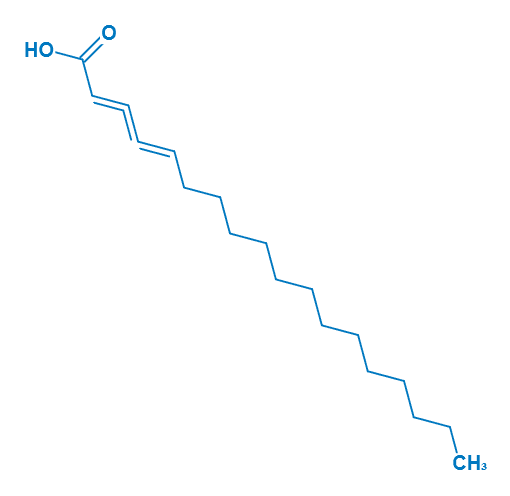
Omega fatty acids are poly-unsaturated fatty acids (PUFA), that is – they contains several double carbon – carbon bonds. Have a look at the following poly-unsaturated fatty acid chain, which shows 3 double bonds at positions 3, 6 and 9 counting from the opposite end of the chain from the –COOH radical.
Such polyunsaturated fatty acids are involved in complex enzymes according to their chemical conformation leading to the production of different molecules involved in metabolism. The position of the first double bond from the non-reactive (or omega) end of the chain determines their “family” group.
Feed intakes of these fatty acids are essential in appropriate proportions. The important “families” are the omega-3 and omega-6 pufas and it is the quantity of each and ratio between them that is important in livestock nutrition.
Products containing Omega 3/6

TWYDIL® OMEGADIL
Supports the microcirculation. Helps the body’s natural defences.

TWYDIL® STOMACARE
Complementary feed for horses to help protect stomach wall through a coating effect and provide fibre and other necessary micronutrients for its regeneration.