Ingredients Library

It is important to ensure the feed includes a variety of materials to encourage appetite, maintain good gut flow, promote intestinal fermentation and bioavailability of all macro- and micro-nutrients.

TWYDIL® has studied the nutritional integration of:

Ananas comosus
Arginine
Arnica
ASU
Bees wax
Berberine
Biotin
Calcium (Ca)
Calendula
Chloride (Cl)
Choline
Chondroitine
Cobalt (Co)
Copper (Cu)
Cynarine
Cystine
Eleutheroside
Eucalyptus
Fatty acids
Fish collagen
Folic acid
Garlic
Gentian
Ginseng
Glucosamine
Glycyrrhizic acid
Harpagoside
Hydroxyproline
Iodine (I)
Iron (Fe)
Isomaltulose (Palatinose)
L-carnitine
L-isoleucine
L-lysine
Lanoline
Lavender
Magnesium (Mg)
Manganese (Mn)
Methionine
MFP
MSM
Niacin (Vitamin PP or B3 or nicotinic acid)
Omega 3/6
Pantothenic acid
Pectin / Mucilage
Phosphorus (P)
Polyphenols
Post-biotics
Potassium (K)
Prebiotic
Probiotics
Rutin
Selenium (Se)
Silicon
SOD
Sodium (Na)
Sorbitol
Specific marine extract
Spirulina
ß-carotene
Tea tree
Threonine
Thymol
Tryptophan
Vitamin A
Vitamin B1
Vitamin B12
Vitamin B2
Vitamin B6
Vitamin C
Vitamin D
Vitamin E
Vitamin K
Whey
Zinc (Zn)
Zinc oxide
load more

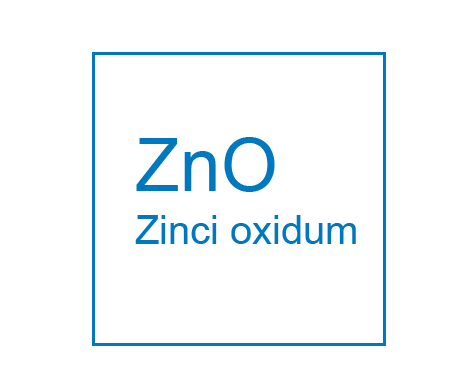
Zinc oxide

Zinc oxide and its recognized roles:

  • Supports healing
  • Catalyzes antiseptic activity
  • Antibacterial
  • Antifungal
  • Management of local inflammation

Due to its chemical specificities, zinc oxide can easily be incorporated in a cream for an external use on the skin. It is a catalyst for antiseptic reactions and is particularly recommended in case of skin irritation.
Products containing Zinc oxide