
Home / Ingredients / Cystine
Ingredients Library
It is important to ensure the feed includes a variety of materials to encourage appetite, maintain good gut flow, promote intestinal fermentation and bioavailability of all macro- and micro-nutrients.
TWYDIL® has studied the nutritional integration of:
load more
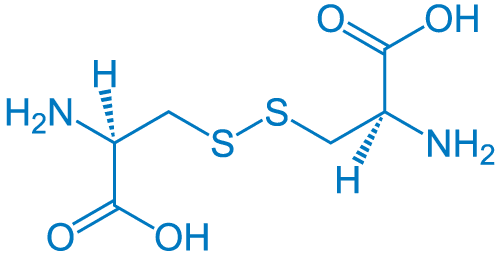
Cystine
Sulphurated amino acids and their roles:
- Muscular anabolism
- Formation of skin, hoof, coat
- Indispensable for optimal growth
- Needed for physical exercise
Sulphurated amino acids and their sources:
- Whey proteins
- Eggs
- Soya
Amongst the sulphurated amino acids, it is necessary to consider cystine and methionine.
Cystine is very important to build hard proteins such as keratin which comprises the skin, hoof and coat. The requirements for cystine are normally covered by the feed ration (hay, cereals …). The adequate intake for a horse is around 15 – 17 g per day.
The metabolic weight corresponds to the horse’s weight to the power of 0.75: for example a horse of 450 kg: 450 0.75 = 98 kg of metabolic weight; such a horse will need 17.6 g of this amino acid per day.
Products containing Cystine

TWYDIL® PMC
Complementary feed for a solid musculoskeletal system.

TWYDIL® PROTECT PLUS
Supplementation for a supple and tonic effort.