


Home / Ingredients / Vitamin E
It is important to ensure the feed includes a variety of materials to encourage appetite, maintain good gut flow, promote intestinal fermentation and bioavailability of all macro- and micro-nutrients.
TWYDIL® has studied the nutritional integration of:
Vitamin E and its roles:
Vitamin E and its sources:
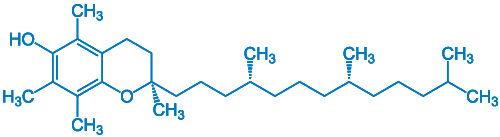
Although there are 8 different forms of vitamin E with varying properties. The most active isomer is alpha-tocopherol. Vitamin E conservation depends essentially on the oxidation level of the surrounding lipids. That is why poly-unsaturated fatty acids (linseed oil, fish oil, …) must be adequately protected from oxidation. Alpha-Tocopheryl acetate is less affected by oxygen and fatty acids.
Depending on the age and physiological status of the horse and the amounts of fat or oil in the diet, the needs vary from 600 to 3000 IU of vitamin E per day, but in certain cases such as intensive exercising, muscular trouble, endurance effort these needs can double or triple, and reach 10000 IU/day.
The blood level of vitamin E is generally correlated with the amount in the feed but may be affected by the amount of fatty acids ingested.
Ideal daily supplementation for weak or aged horses, very concentrated in vitamins, trace minerals, amino acids, magnesium, prebiotics and probiotics.
To help manage excitability and stress, and to improve digestive and muscular well-being of the horse.
An ideal daily supplement rich in vitamins, trace elements, amino acids and magnesium.
Supplementation to keep a horse fit and healthy.
Daily supplement highly concentrated in vitamins, trace elements, amino acids, magnesium, prebiotics and probiotics for growing horses.
Oral solution to energise, galvanise before exercise and fortify the organism.
Supports the microcirculation. Helps the body’s natural defences.
Supplementation for a supple and tonic effort.
An ideal daily supplement rich in vitamins, trace elements, amino acids and magnesium.
Complementary feed for horses to help protect stomach wall through a coating effect and provide fibre and other necessary micronutrients for its regeneration.
A complementary feed rich in vitamins, trace elements, lysine, magnesium, prebiotics and beta-carotene for broodmares and stallions.
Contributes to maintaining normal fertility and supports lactation through a balanced supply of essential micronutrients.
Supplementation to maintain the respiratory system during performances.
Supplementation that gives additional energy, booster effect.